A tutor of all three classical subjects, Latin, Greek and Classical Civilisation, at any level
Whether you would like help with Latin grammar, your Greek set text, or the foundation stories of Athens or Rome, I can help you; the first lesson begins where you actually are.

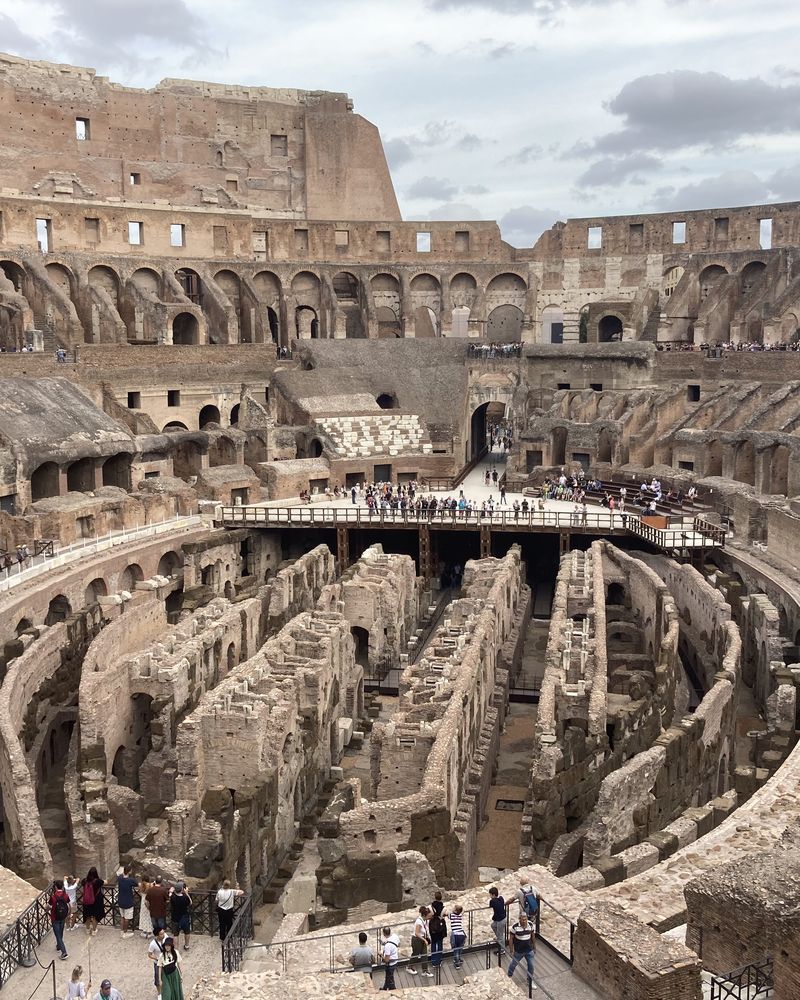
Latin
From the first declension to Virgil
Wherever you are with Latin — whether you have just started out, have been learning for two or three years, are studying for GCSE or have signed up for A Level — I can help you. You may want help with the basics, to consolidate your knowledge and understanding of grammar and vocabulary. You may also be doing well, but want to translate more accurately, read faster or write more sharply about the texts. Whatever the starting point and whatever your needs, I work from where each student actually is, and with the right help progress follows.
I teach Latin from Common Entrance and Scholarship through to GCSE, A Level and the IB. In the early years that means consolidating grammar and syntax and learning vocabulary securely. At the upper end it means reading Cicero, Virgil, Ovid and Tacitus, writing prose composition and improving your reading speed to finish an unseen paper with time left to check it.
At GCSE and A Level, marks are most often lost in two places. On translation passages, it is through omitted words and confused vocabulary. On set text papers, it is through not quoting the Latin, quoting without analysing, giving vague answers and retelling the story instead of writing about the literature. All of this is fixable.
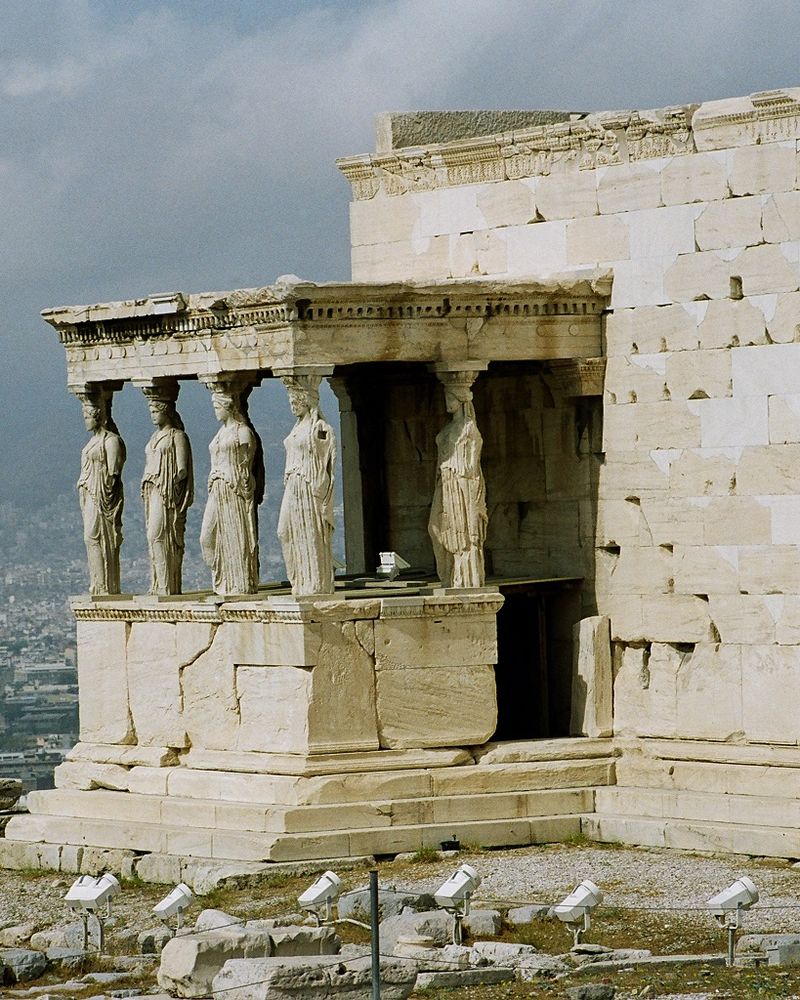
Greek
Starting with the alphabet, or finishing Homer
Greek is often begun late, sometimes from nothing in the sixth form, and that is entirely doable. I have taught students of all abilities and at all stages, and almost always within a tight timeframe.
As with Latin, I teach Greek from Common Entrance and Scholarship through to GCSE, A Level and the IB, covering the language and the set texts: Homer, Sophocles, Euripides, Herodotus and Thucydides.
The sticking points are almost always the omission of words, and missing the verb voice and tense; and, on set text papers, weak literary analysis and the lack of advanced technical terminology.
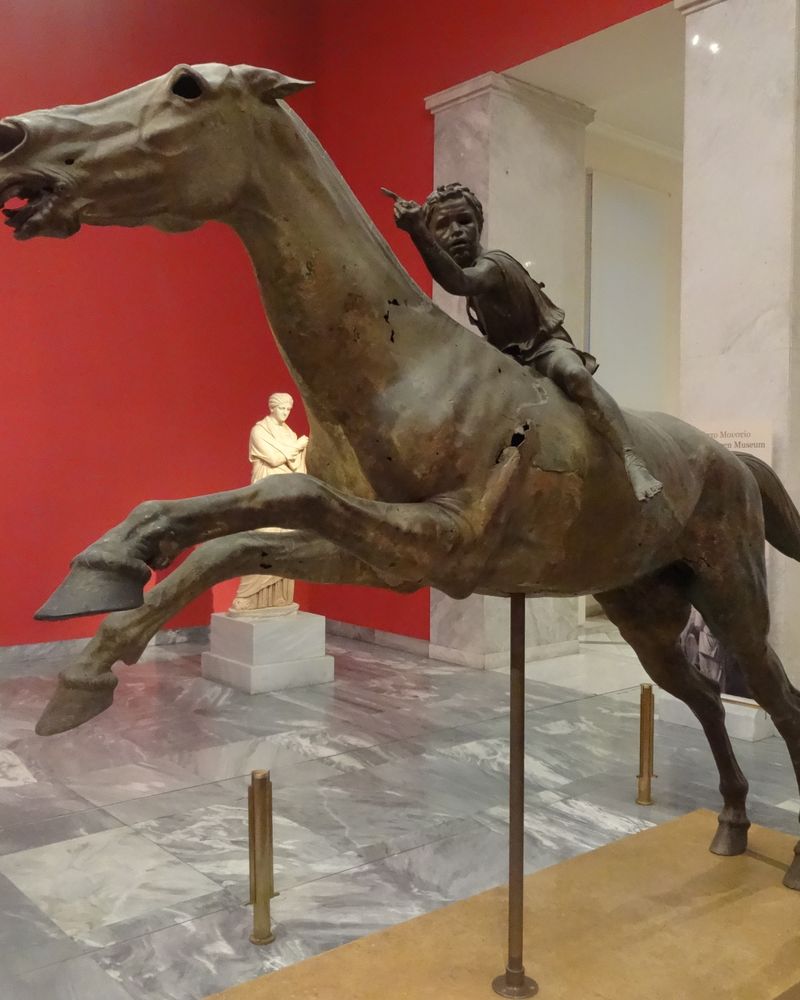
Classical Civilisation
The ancient world without the ancient languages
Where Latin and Greek are focused on the language and literature in the original, Classical Civilisation requires no linguistic ability, focusing instead on the culture and society of the ancient world. It is not a soft option, as you will study a much broader range of topics.
At GCSE I cover the OCR components: Myth and Religion, The Homeric World, Roman City Life and War and Warfare — whether you would like help with the myths of the gods and heroes in the founding of Athens and Rome, the importance of Heracles, the role of religion in the everyday lives of the ancient Greeks and Romans, or Mycenae and the Odyssey. At A Level: The World of the Hero, Greek Theatre, Love and Relationships, Politics of the Late Republic, The Imperial Image, Democracy and the Athenians and Greek Religion.
At both GCSE and A Level, marks are often lost through weak exam technique rather than a lack of knowledge. This includes storytelling instead of analysing, and misreading or ignoring the focus of the question. Both are trainable.
Levels
From a child who has just started Latin to one sitting a university entrance test.
- Years 7–9 Key Stage 3 and Common Entrance, including scholarship preparation
- Years 10–11 GCSE in all three subjects, language and set texts
- Years 12–13 A Level and International Baccalaureate
- University entry Oxbridge preparation: the Classics Admissions Test, personal statements, submitted written work and interview practice
How lessons run
Online
Over Zoom or Teams, with a document we both write on as we go. Most of my tutoring is online and it works properly: nothing is lost, the travelling time goes back into the lesson and everything we write is saved for revision later.
In person
At your house, if you are close to Sherborne, for an additional fee to cover travel and logistics.
Length and frequency
If you are looking for consolidation, an hour or two, weekly, is usual, and the one I recommend. More intensive blocks in the run-up to mocks or the summer exams can be arranged, and I keep some capacity free for exactly that.
If your school does not offer Latin, Greek or Classical Civilisation, or you want to study a stand-alone course, I can also offer full GCSE and A Level packages.
Prices
Per hour, with no registration fee and no agency in the middle.
Classics for adults
Lessons and courses before you travel
Not everyone who wants to read Homer is sitting an exam. Alongside my school tutoring I teach adults — on your own, with a friend or two, or as a small group — and I run short courses for people who are about to travel.
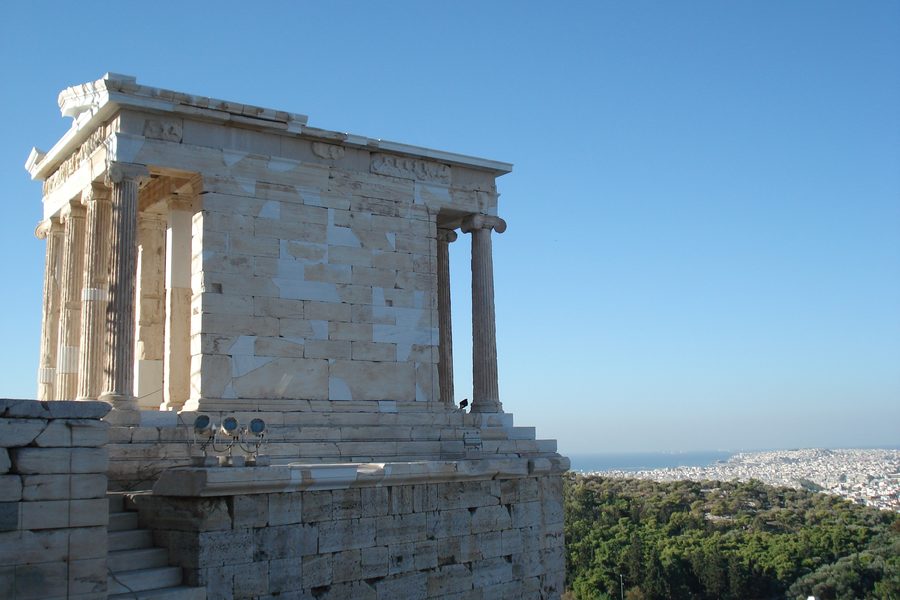
Lessons and small groups
Beginners’ Latin or Greek; a language you dropped at school and have always meant to go back to; or a text you would like to read properly — Homer, Virgil, Ovid, Sophocles, Thucydides. We can read in translation or in the original, and we go at whatever pace suits. No exam at the end unless you want one. Online, or in person near Sherborne.
Before you travel
A session or a short series before a holiday, so that you arrive knowing what you are looking at and why it was built. Classical Athens before a week in Greece; Pompeii and Herculaneum before the Bay of Naples; Rome, Sicily, the Turkish coast. For you, for the friends you are travelling with, or for a reading group or society that fancies something different.
All of this is arranged and priced individually, according to the length and the number of people. Tell me roughly what you have in mind — a term of Tuesday evenings, three sessions before a trip in the spring — and I will put a suggestion together.

Tell me the subject, the year group, your level and what you need help with. That is enough to begin with.
The Temple of Apollo at Delphi.
How to book
Three steps, and the first two cost nothing.
-
Send me a message
The subject, the year group, your level and what you need help with. A sentence is plenty.
-
We talk for twenty minutes
Usually on the phone, free and with no obligation. If I am not the right person for your child I will say so, and try to point you somewhere better.
-
We fix a regular slot
No contract and no term’s notice. A week’s warning if you want to stop, and that is the end of it.